
Why “Stalled” Is the Most Dangerous Stage in Your Pipeline
Lost B2B deals rarely go out with a bang. Most don’t even get a clean “no.” They drift. They slow down. They get pushed to next quarter, then the quarter after that, until someone quietly closes them out as lost. Stalled deals are like shopping carts left in the aisle. Interest was there, intent was real, but something broke the momentum.
The impact is bigger than a single lost opportunity. Stalled deals distort forecasts, waste seller time, and create false confidence across leadership. The good news is that most stalls are predictable. Even better, they are preventable. Below are the five most common reasons B2B deals stall and how CapOptix is designed to solve each one inside the sales process.
Reason #1: Poor Qualification
Poor qualification is the silent killer of pipeline health. Deals move forward because meetings happened, not because problems were proven. Discovery feels friendly, notes look complete, and yet the opportunity has no spine.
Common signs include:
Discovery calls that surface interest but no urgency
Opportunities advancing without a clearly defined problem
Qualification frameworks applied inconsistently across reps
“Well-qualified opportunities close at roughly 50 percent, while poorly qualified ones close at about 8 percent.”
- Thunderbit, 40 Sales Closing Statistics You Need to Know in 2026
How CapOptix Solves It
CapOptix introduces a task called the Opportunity Identification Call, a structured discovery call. Instead of relying on gut feel, sellers capture critical inputs live with a standardized set of qualification questions. It is like switching from guessing the weather to checking a forecast. Risk becomes visible early, not after weeks of effort.
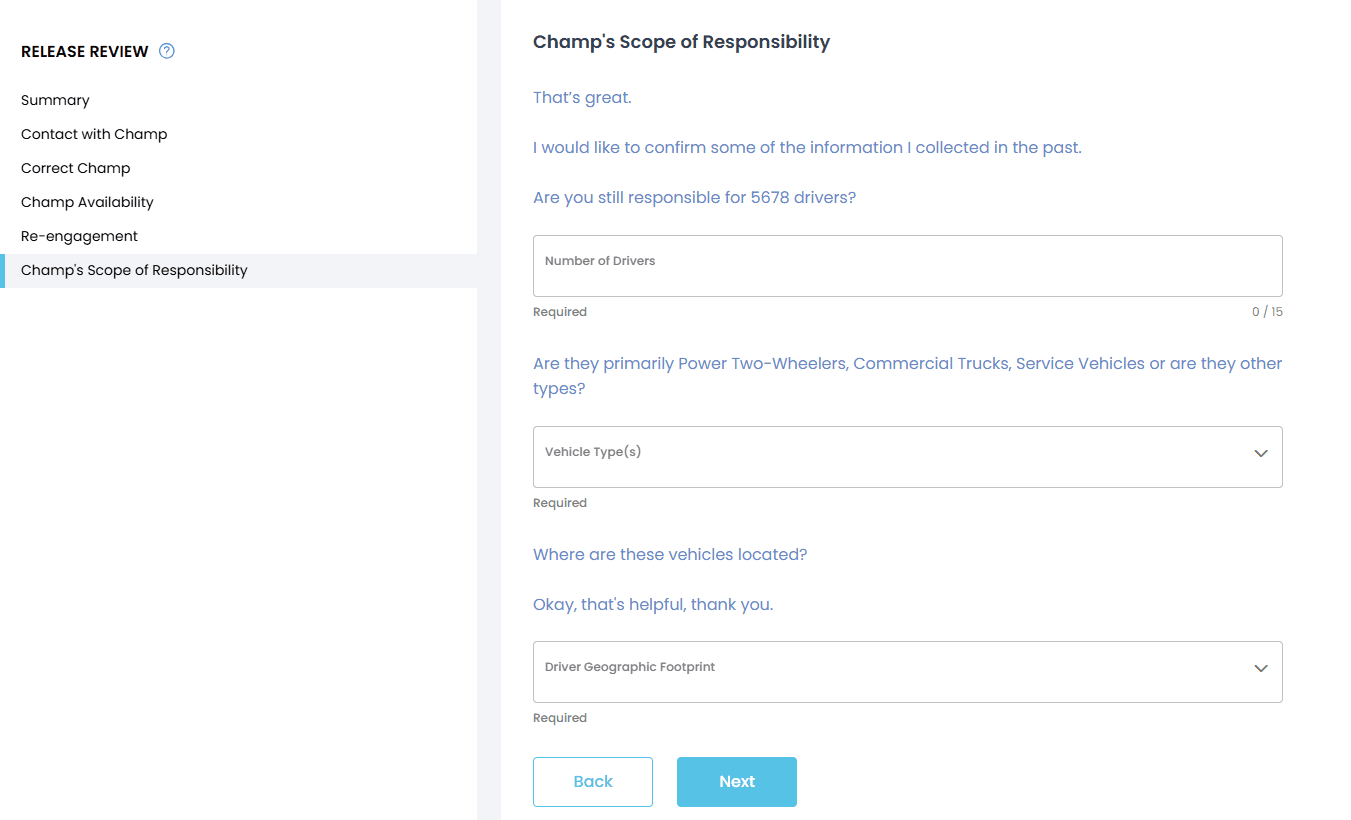
The Opp ID Checklist interface includes questions tailored to your business.
Reason #2: Lack of a Compelling Business Case
Interest does not equal action. Deals stall when buyers like the idea but cannot justify the investment. Without a clear business case, momentum depends on enthusiasm, which fades quickly under budget pressure.
Many sellers rely on generic ROI slides or industry benchmarks. Those help, but they rarely answer the buyer’s internal question: “What is the cost of doing nothing?”
“30% of sales reps cite budget objections as the biggest barrier to closing.”
- Keevee, 47 Sales Closing Statistics for 2025
How CapOptix Solves It
CapOptix embeds a current state analysis directly into the sales process. Sellers identify and quantify pain in the buyer’s actual environment, whether that is wasted time, lost revenue, or operational risk. The business case becomes specific, defensible, and shareable.
What’s more? The current state analysis is a collaborative effort. The vendor and the prospect work side by side, digging into real operational data to understand business performance, the financial impact of their operational challenges, and the constraints that matter most. When prospects help shape the analysis themselves, it naturally carries more weight. It feels credible because it’s grounded in their own data and experience, not just an outside opinion.
Reason #3: No Access to Decision Makers
One of the most common phrases in stalled deals is, “I just need to run this by leadership.” Sellers mistake activity for progress, but the absence of a decision-maker is a giant caveat hiding in plain sight. Without an economic buyer, deals enter a holding pattern. Meetings may continue, but nothing actually moves.
B2B sales are complex transactions with long sales cycles and many stakeholders, but somewhere in the mix is the key decision-maker with the authority to approve your deal. The sooner you loop them in, the safer your deal will be.
How CapOptix Solves It
CapOptix makes the identification of a decision-maker, or sponsor, an early, required milestone in a task called the Value Priority Call. This is a critical step in the built-in CapOptix sales process. Sales reps call a senior executive to confirm whether the sales initiative is a top 5 priority for them in the coming year. Confirming this early on is the key to filtering out non-starter deals from real closed revenue in the making.
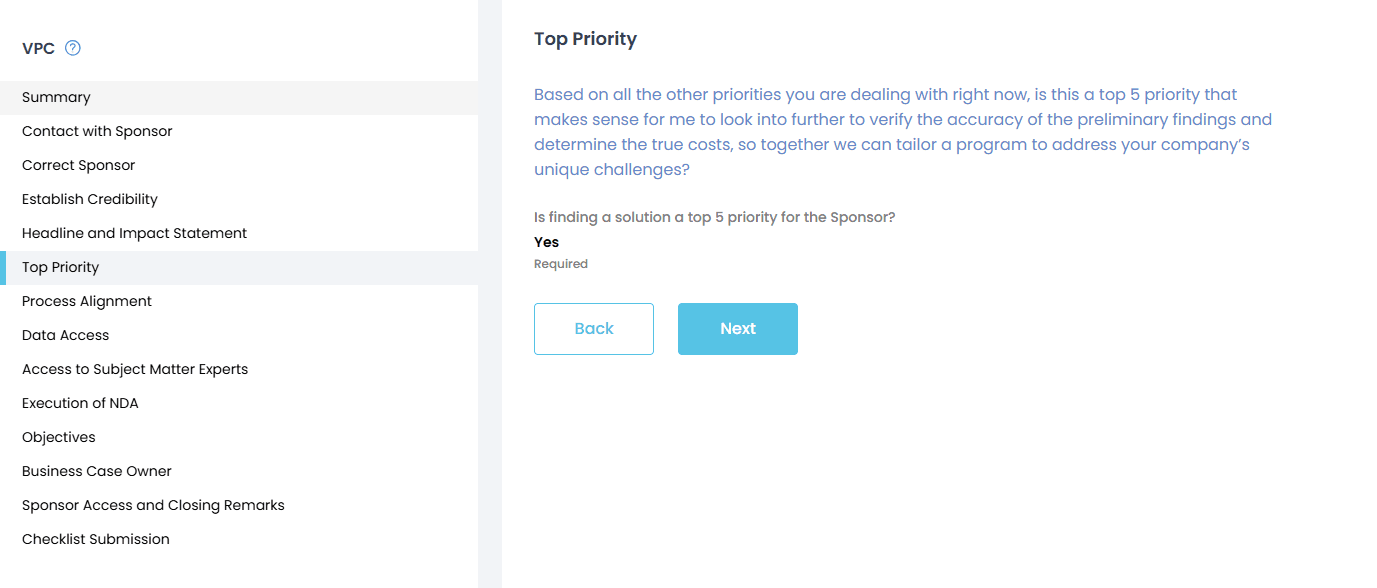
The Value Priority Call is embedded in the sales process and confirms senior buy-in early.
Reason #4: Lost to Competitors
Late-stage losses often get blamed on features or pricing. In reality, buyers stall or switch when solutions feel rigid. When prospects feel forced into predefined packages, competitors who appear more flexible gain the edge.
How CapOptix Solves It
CapOptix delivers a custom list of “solution design parameters” that allow sellers to co-design the solution with the prospect. Buyers choose exactly the features they need and nothing they do not. The conversation shifts from comparison to collaboration.
This approach mirrors how modern buyers want to purchase complex solutions. Like building a custom playlist instead of buying an entire album, co-design increases ownership and reduces second guessing.
Conclusion: Fix the Process, Not the Pipeline
More leads will not fix stalled deals. Better execution will. When qualification is real, value is quantified, power is visible, and solutions are co-designed, deals move forward naturally.
CapOptix is built to keep deals moving by design, not by heroics. In a world where buyers have more options and less time, momentum is the true competitive advantage.
References
Everstage. (2026). Sales closing statistics and performance benchmarks. https://thunderbit.com/blog/sales-closing-statistics
HubSpot. (2025). Sales closing statistics. https://www.keevee.com/sales-closing-statistics
Hunter, M. (2024). Positioning your product as a top priority. The Sales Hunter. https://thesaleshunter.com/4-steps-for-any-salesperson-to-be-a-subject-matter-expert/