Introduction: The Buyer Changed While Sales Wasn’t Looking
If you have ever joined a first call only to hear, “We’re already evaluating a few vendors,” you are not alone. That moment is the modern B2B buyer journey in a nutshell. Buyers arrive informed, opinionated, and halfway through a decision that sales used to control.
Today’s B2B journey is buyer-driven, committee-based, and anything but linear. This is actively changing how sales teams operate day-to-day. It is now about adapting to how decisions actually get made and learning how to support buyers instead of steering them.
How B2B Buying Actually Works Today
Modern buyers do their homework long before sales enters the picture. Research consistently shows that a majority of the buying process happens independently, fueled by online content, peer reviews, and analyst insights.
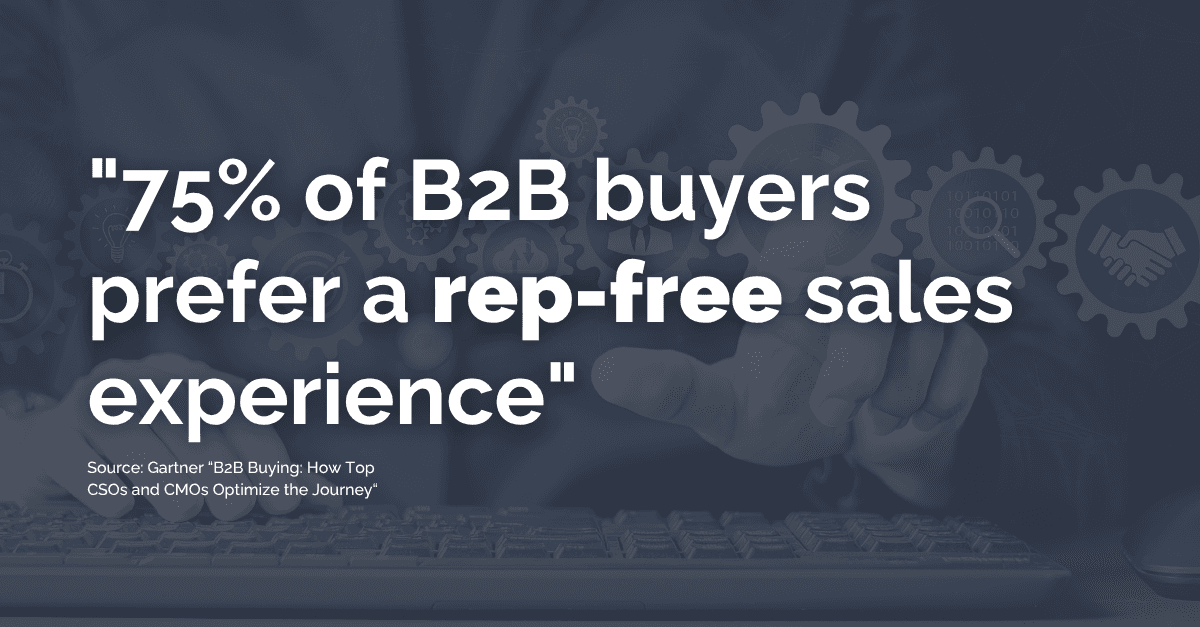
According to Gartner, 75 percent of B2B buyers prefer a rep-free buying experience during the early stages of research. Buyers want space to explore without pressure, like window shopping before talking to a salesperson.
This creates a new reality for sales:
Buyers self-educate using G2, TrustRadius, and analyst reports
Shortlists are often formed before the first meeting
Sales is invited in when buyers want confirmation, not persuasion
Sales is no longer the tour guide. It is more like an assistant who joins once the route is already mapped.
Committee Buying Changes Everything
The second major shift is who makes the decision. B2B purchases are now typically owned by multiple stakeholders. They are made by buying groups that include finance, IT, security, operations, and end users.
Forrester reports that 89 percent of B2B purchases involve two or more departments, and many involve over ten stakeholders.
“A broken B2B buying process is creating mayhem for buyers and providers”
Amy Hayes, Marketing Leader and Research Director at Forrester
This explains why deals slow down without dying. When a deal goes quiet, it often means internal alignment is happening out of sight. It’s not enough anymore to just get a champion onboard with an economic buyer’s blessing. There’s a spiderweb of interrelated departments who all give their two cents on the deal.
From Seller-Led to Buyer-Enabled Sales
This is where buyer enablement comes in. Buyer-enabled sales focuses on helping buyers navigate their internal decision process rather than pushing them through a sales methodology.
Buyer-enabled reps:
Share internal-ready decks and ROI narratives
Anticipate security, finance, and legal questions early
Equip champions to communicate value internally
Seller-led sales is like pushing a shopping cart. Buyer-enabled sales is like handing someone a map and walking beside them.
How CapOptix is Built for the Modern B2B Buying Experience
CapOptix provides visibility into buyer engagement signals, enabling champions to fight for your initiative, and bringing in other departments early on.
Priority Confirmation via the Value Priority Call (VPC)
The sharpest intent signal in CapOptix is the Value Priority Call — a structured encounter with the Sponsor (the executive decision-maker) in Stage 2. This isn't a soft "are you interested?" conversation. Reps get a binary, unambiguous answer: is solving this problem a top priority right now?
AI-Powered Call Analysis
The AI-driven Call Analysis metric uses AI to monitor the quality and timing of rep-prospect interactions. It measures whether conversations are following the prescribed process, hitting the right beats, and staying within an appropriate duration. Critically, the AI picks up on emotional cues like intonation, word choice, and overall tone of the conversation. It reads between the lines to surface whether real intent exists or not.
Joint Task Force of Subject Matter Experts
The task force is a joint team of subject matter experts (SMEs) drawn from both the prospect organization and the rep's own organization. They're the people with the hands-on knowledge, operational data, and institutional context required to vet your value proposition. Looping these opinions in early on shows you the conversations that would otherwise happen behind closed doors.
Solution Design Parameters
The Solution Design Parameters task is a competitive weapon disguised as a checklist. Reps document the prospect's vendor requirements and solution requirements, working directly with the Champ or Sponsor. By having the prospect co-author the evaluation criteria, CapOptix ensures your solution is built to win the scorecard before competitors even know the game is being played.
What Sales Teams Must Do Next
Adapting to the modern buyer journey requires practical changes:
Measure buyer engagement, not just seller activity
Train reps to ask about internal decision processes early
Invest in tools that surface buyer behavior across stakeholders
CapOptix fits as a layer that complements CRMs and conversation intelligence tools, helping sales teams stay aligned with how buyers actually buy.
Conclusion: Sales Wins by Meeting Buyers Where They Are
The modern B2B buyer journey rewards empathy, timing, and enablement. Buyers do not want to be sold to. They want help making confident decisions in complex environments.
Sales teams that adapt become trusted guides instead of interruptions. Visibility into buyer signals is how sales stays relevant in a buyer-driven world. For more info on how CapOptix is built for modern, complex sales, give us a shout at capoptix.com/contact. Let’s talk!
References
Forrester Research. (2024). The state of business buying, 2024. https://www.forrester.com/press-newsroom/forrester-the-state-of-business-buying-2024/
Gartner. (2025). The B2B buying journey: Key stages and how to optimize them. https://www.gartner.com/en/sales/insights/b2b-buying-journey